.png)
.png)
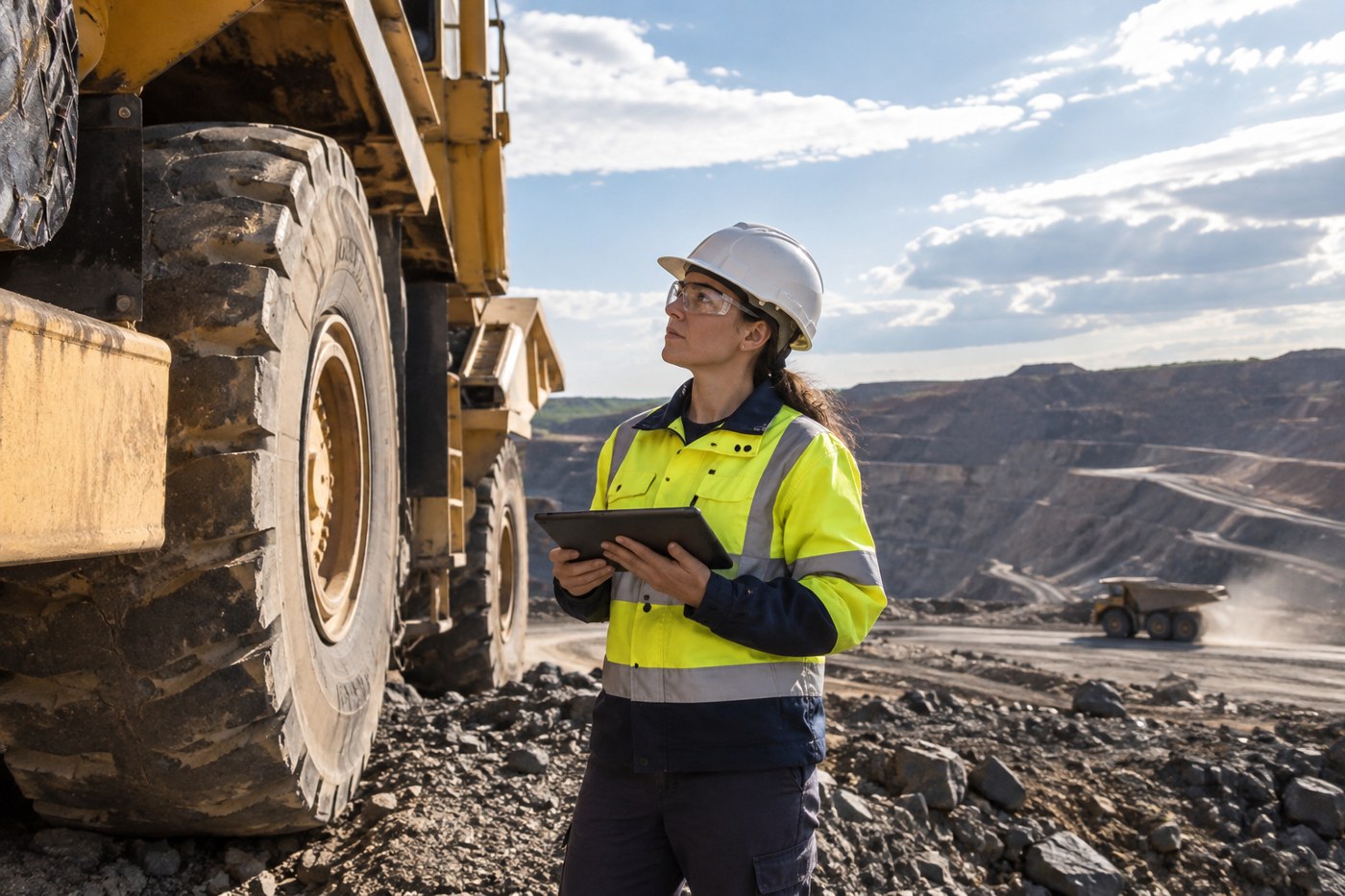
This industry pays better at the top than anything else on our site, and almost nobody explains it to a seventeen-year-old. A petroleum engineer earns a median of $144,910. A mining engineer $106,220. A geoscientist $101,920. Those are engineering degrees and real ones. But the roles underneath them — the mechanics, operators and safety specialists who make a site run — pay well too, and two of them are growing faster than most jobs in the country.
Petroleum engineer
$144,910
Mining or geological engineer
$106,220
Geoscientist
$101,920
Health and safety specialist
$83,740
Industrial machinery mechanic
$64,100
Heavy equipment operator
$59,600
Welder
$53,750
An industrial machinery mechanic earns $64,100 with a high school diploma and the occupation is growing 14%. That is a better combination of pay, growth and entry requirement than most four-year degrees deliver, and it is the row we would point a sixteen-year-old at first.
The other is occupational health and safety, growing 19% at $83,740. Safety regulation is why that number is what it is: operations are legally required to have these people, and the requirement is expanding. Our research suggests it is one of the most durable careers in heavy industry precisely because it does not depend on commodity prices the way the extraction jobs do.
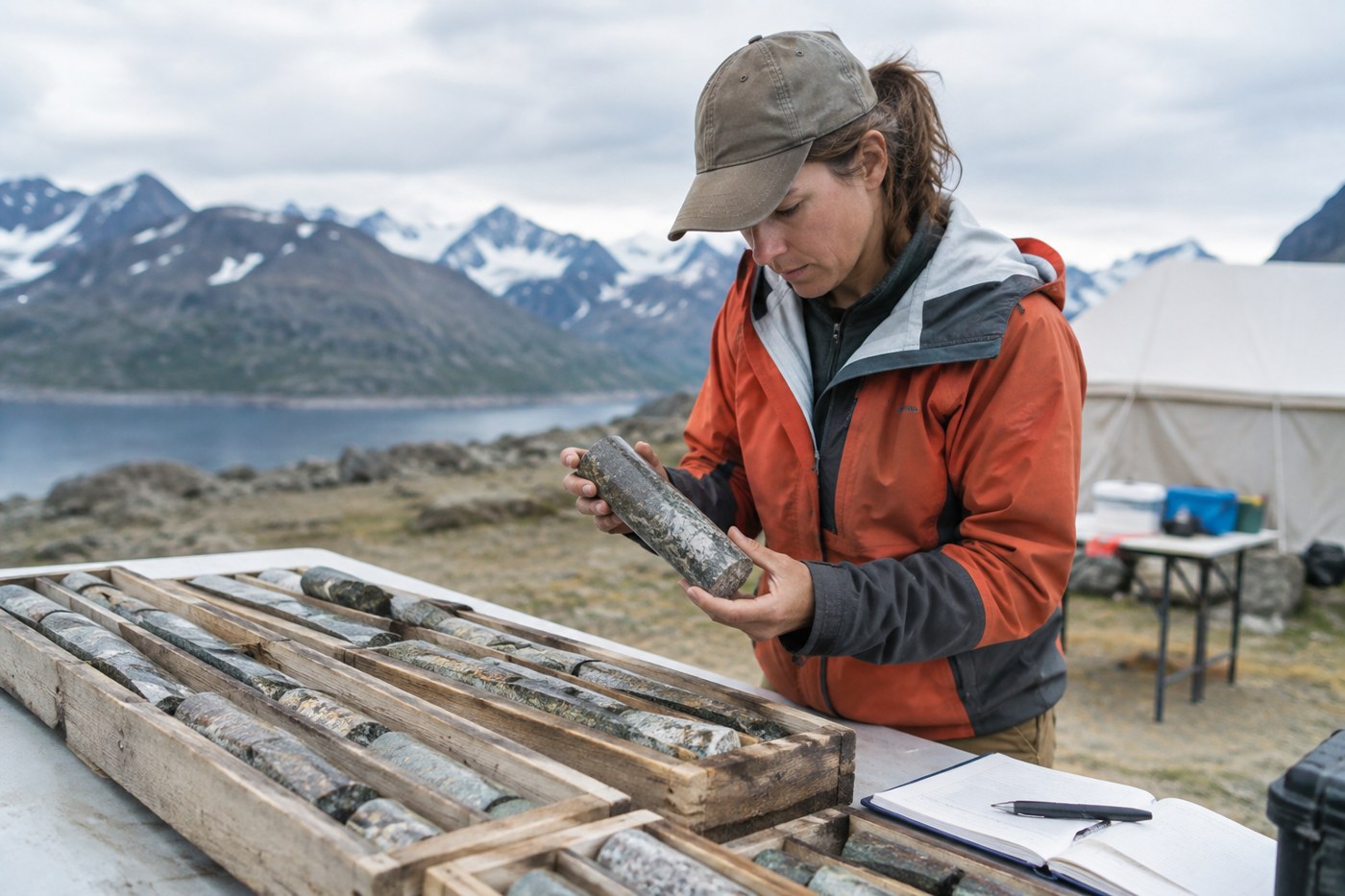
We are not going to sell this industry as easy. The work is physical, often remote, frequently on rotation schedules away from home, and it carries real safety risk — which is exactly why the safety roles pay what they do. Extraction employment also moves with commodity prices, so a boom year and a slow year look very different. Set against that: the pay is high, the training is often employer-funded, and the skills — heavy equipment, welding, industrial maintenance — transfer straight into construction, manufacturing and utilities if you decide to come off the road.
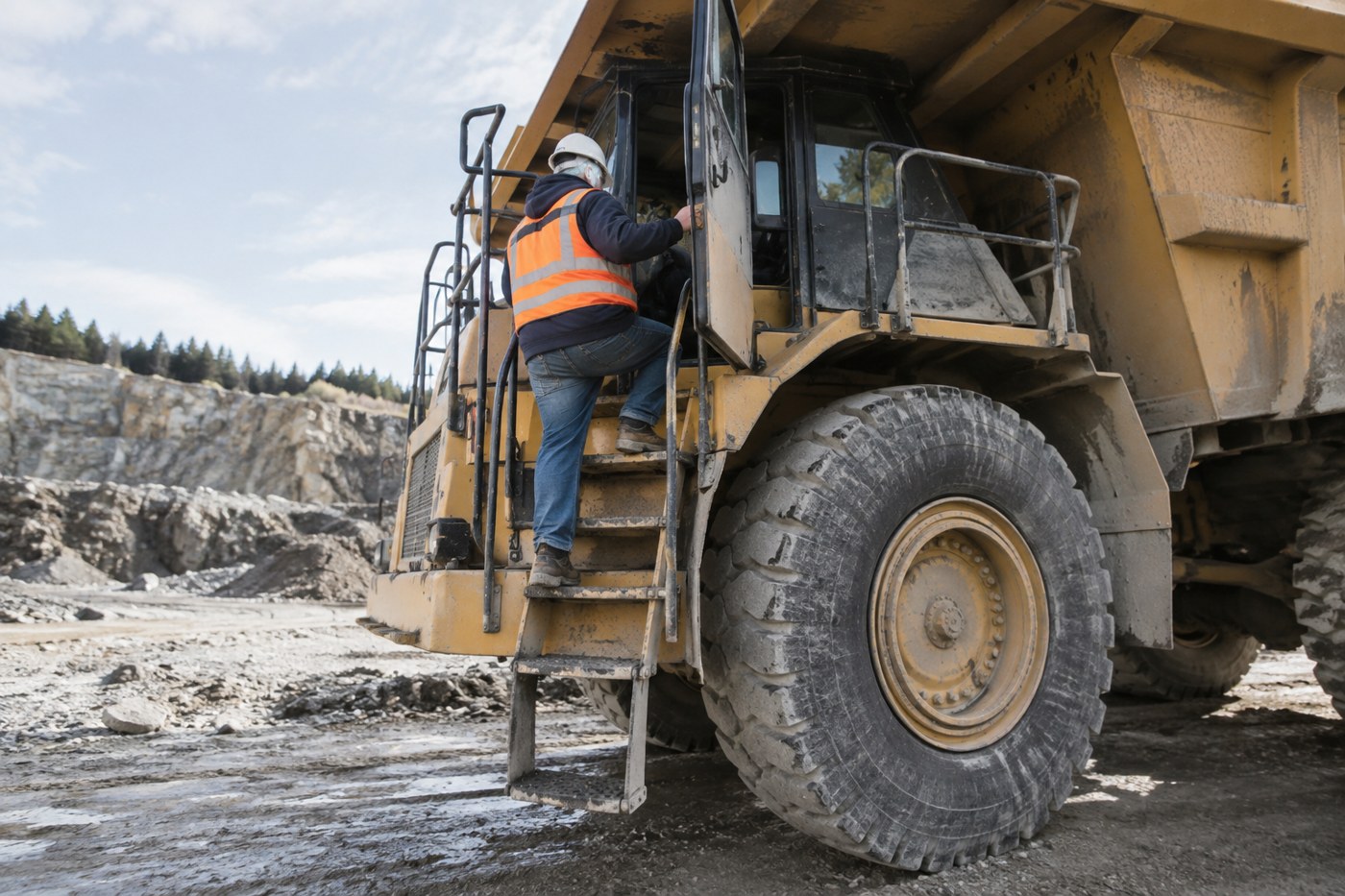
Start
General labour or a yard and maintenance helper role on a site or at a supplier. No credential, and you learn whether the schedule suits you before committing.
Get a skill
Welding certificate at $53,750, equipment operation at $59,600, or industrial maintenance at $64,100 and growing 14%. Months of training, and employers often pay.
Specialize
Health and safety at $83,740 and growing 19% — the route that takes you off the tools without leaving the industry.
Engineer it
Geoscientist at $101,920, mining engineer at $106,220, petroleum engineer at $144,910. Four-year degrees, and some employers help fund them for people already on site.
Most people get in through a supplier, a contractor or a maintenance crew rather than straight onto a site, and then move across. The operators, contractors, equipment suppliers and colleges on CareerPathway.com post their entry roles, welding and equipment programs, apprenticeships and safety certifications in one place, and can turn hiring on and off as projects start and finish. Create a free profile and you can see who is hiring and what they will train you for.
What is the highest-paying job in mining and energy?
Petroleum engineers at a median of $144,910 per year, the highest figure on our site, followed by mining and geological engineers at $106,220 and geoscientists at $101,920. All three require a bachelor's degree.
Can you work in this industry without a degree?
Yes, and some of the best value is there. Industrial machinery mechanics earn a median of $64,100 with a high school diploma and the occupation is growing 14% through 2035, while heavy equipment operators earn $59,600 and welders $53,750 through a certificate.
Which mining careers are growing fastest?
Occupational health and safety specialists at 19% growth through 2035 and industrial machinery mechanics at 14%, both well ahead of the extraction engineering roles at 2% to 5%.
Is the work dangerous and is it steady?
It carries real safety risk, which is part of why safety roles are growing and paid well, and extraction employment moves with commodity prices. In our view the skills are the protection: welding, equipment operation and industrial maintenance transfer directly into construction, manufacturing and utilities.
Pay and job outlook figures: U.S. Bureau of Labor Statistics, Occupational Outlook Handbook — 2025 median pay and 2025–2035 projections.