

Transportation is the industry where the gap between what a job pays and what people assume it pays is widest. It also contains the single highest median wage on this entire site, and it is not the one most people would guess. Our research suggests this is the most under-explained industry a young person can walk into.
Airline or commercial pilot
$210,020
Air traffic controller
$148,080
Logistician
$82,320
Aircraft or avionics mechanic
$80,180
Railroad worker
$78,820
Water transportation worker
$71,860
A commercial pilot earning a median of $210,020 does not need a four-year degree by rule — what it takes is flight training, certification and accumulated hours, which costs real money up front and takes years. We would not call it easy. We would say it is the highest-paid work on this site that does not require a university diploma, and almost nobody tells a seventeen-year-old that.
Air traffic control is stranger still: an associate's degree, federal academy training, excellent pay at $148,080 — and a hard upper age limit for entry. It is one of the few careers where finding out about it at twenty-two instead of thirty-two genuinely changes whether you can do it at all.
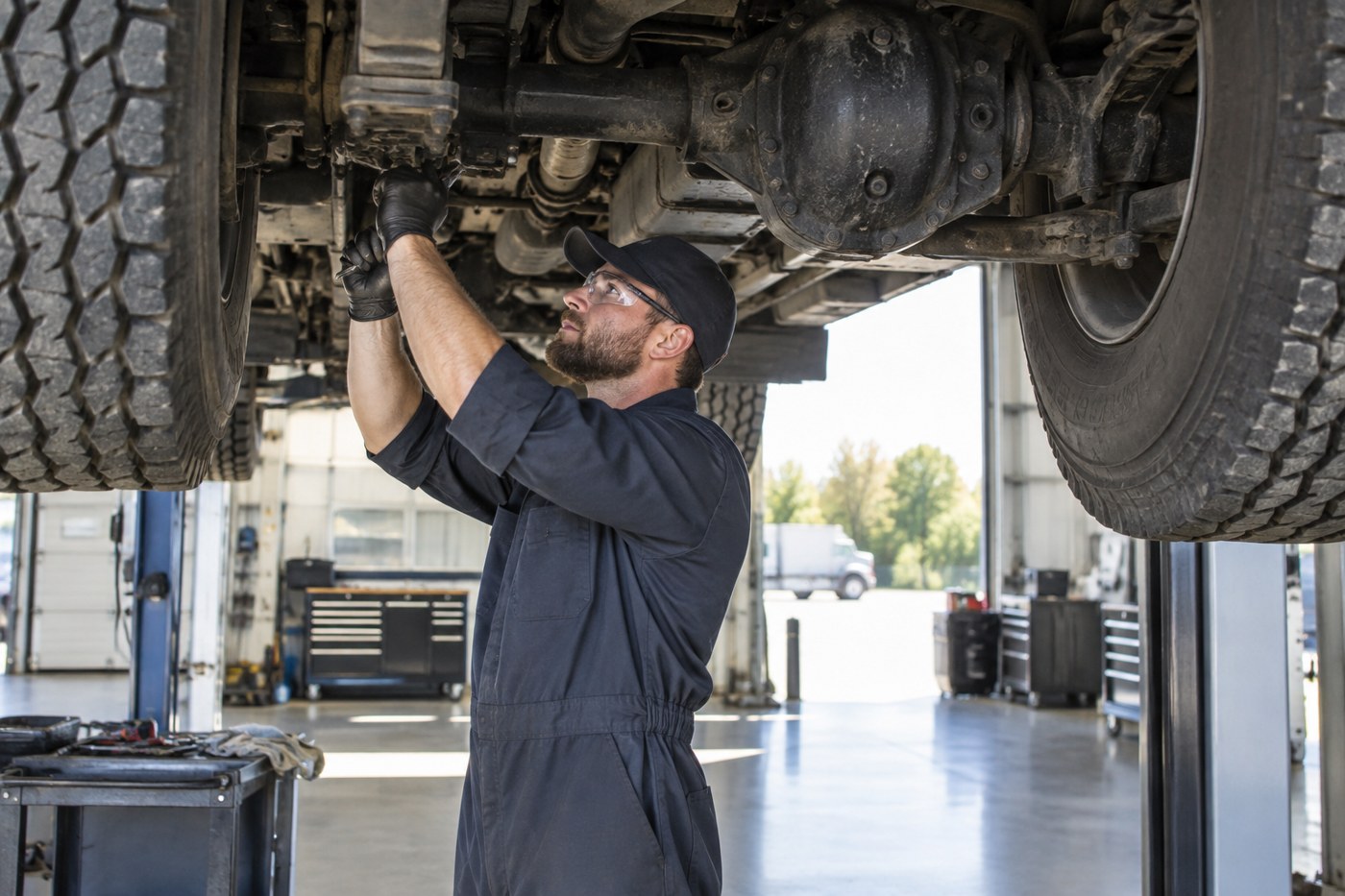
Every vehicle in this industry needs someone who can fix it, and our data shows those roles holding steady while the driving jobs face the most automation pressure.
Diesel technician
$61,770
Heavy and tractor-trailer driver
$58,640
Bus driver
$49,390
Delivery driver
$43,950
Be clear-eyed about the entry end: hand laborers and freight movers earn $38,220 and material moving operators $46,670. Both are real jobs and neither is a ceiling. In our view the move is to get inside a transport or logistics company in any seat, then go after the CDL, the diesel certification or the logistics credential while someone else is helping pay for it.

Start
Warehouse, freight handling or delivery driving. No credential required, and you are inside the industry.
Get licensed
CDL for trucking at $58,640, or a diesel technician certification at $61,770. Weeks to months, not years.
Specialize
Aircraft and avionics mechanic at $80,180, railroad work at $78,820, or logistics at $82,320 and growing 18%.
Top of the industry
Air traffic controller at $148,080, or commercial pilot at $210,020.
Start with a job that puts you inside a transport, logistics or maintenance operation, then let them help pay for the licence that moves you up. The carriers, logistics firms, transit agencies, dealerships and colleges on CareerPathway.com post their entry roles, CDL programs, apprenticeships and training support in one place — create a free profile and you can see who is hiring and what they will train you for.
What is the highest-paying transportation job?
Airline and commercial pilots, at a median of $210,020 per year, followed by air traffic controllers at $148,080. Neither strictly requires a four-year degree, though both require substantial certified training.
How long does it take to get a CDL?
Commercial driver training programs typically run a few weeks to a few months rather than years. Heavy and tractor-trailer truck drivers earn a median of $58,640 and the field is growing 4% through 2035.
Which transportation careers are growing fastest?
Logisticians, at 18% growth through 2035 with a median of $82,320, well ahead of anything else in the industry. Delivery drivers and commercial pilots follow at 7%.
Will self-driving trucks end these jobs?
Federal projections still show truck driving growing 4% through 2035, so the near-term picture is steady rather than collapsing. In our view the safer bet is the work that automation needs more of, not less: maintaining the vehicles and running the logistics behind them.
Pay and job outlook figures: U.S. Bureau of Labor Statistics, Occupational Outlook Handbook — 2025 median pay and 2025–2035 projections.